
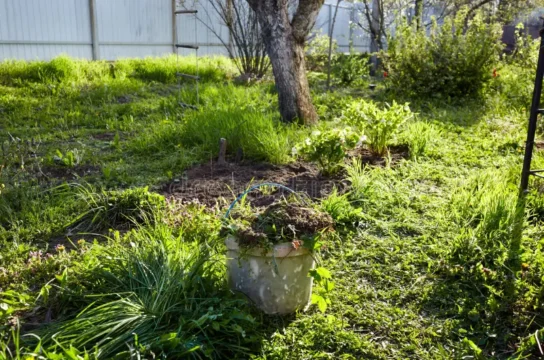
Early spring is an exciting time for gardeners in Seattle. As temperatures slowly rise and daylight increases, it’s tempting to start planting right away. However, healthy plants begin with healthy soil. Because the Pacific Northwest experiences months of heavy winter rain, proper soil preparation is essential for successful early spring planting, and we have some tips.
Test and Assess Your Soil First
Before adding plants or amendments, evaluate your soil’s condition. Seattle soils are often slightly acidic and can become compacted after prolonged rainfall. Therefore, testing your soil’s pH and nutrient levels helps you understand what adjustments are needed. Local garden centers and King County extension services offer affordable soil testing kits that provide valuable insights.
Additionally, check soil texture by squeezing a handful. If it feels sticky and forms a tight ball, it may still be too wet to work. Working overly saturated soil can lead to compaction, which restricts root growth. Instead, wait until the soil crumbles easily in your hand before beginning preparation.
Improve Drainage and Structure
Because spring showers are common in Seattle, improving drainage is a critical step. Start by loosening compacted soil with a garden fork or tiller. This increases airflow and encourages stronger root development. However, avoid over-tilling, as it can damage soil structure.
Next, incorporate organic matter such as compost. Compost not only improves drainage but also enhances nutrient content and microbial activity. Spread two to three inches over garden beds and mix it into the top six to eight inches of soil. As a result, your plants will have better access to both water and essential nutrients.
Add Targeted Soil Amendments
Depending on your soil test results, you may need specific amendments. For example, if your soil is too acidic, adding lime can gradually raise the pH. Conversely, sulfur can help lower pH levels if needed for acid-loving plants like blueberries or rhododendrons.
Moreover, adding aged manure or organic fertilizers provides a slow-release nutrient boost. Because early spring plantings depend on steady growth, balanced nutrients help seedlings establish quickly and withstand fluctuating temperatures.
Clear Debris and Prepare Beds
Like we mentioned last week, winter storms often leave behind leaves, branches, and dead plant material. Removing debris not only improves appearance but also reduces the risk of pests and fungal diseases. After clearing beds, redefine garden edges and smooth the soil surface to create a clean planting area. Applying a light layer of mulch after planting helps regulate soil temperature and retain moisture. In Seattle’s unpredictable spring weather, this extra protection can make a significant difference. Use these soil preparation tips to set the foundation for a thriving garden. By testing, amending, and improving drainage, Seattle homeowners can ensure early spring plantings get the best possible start.