
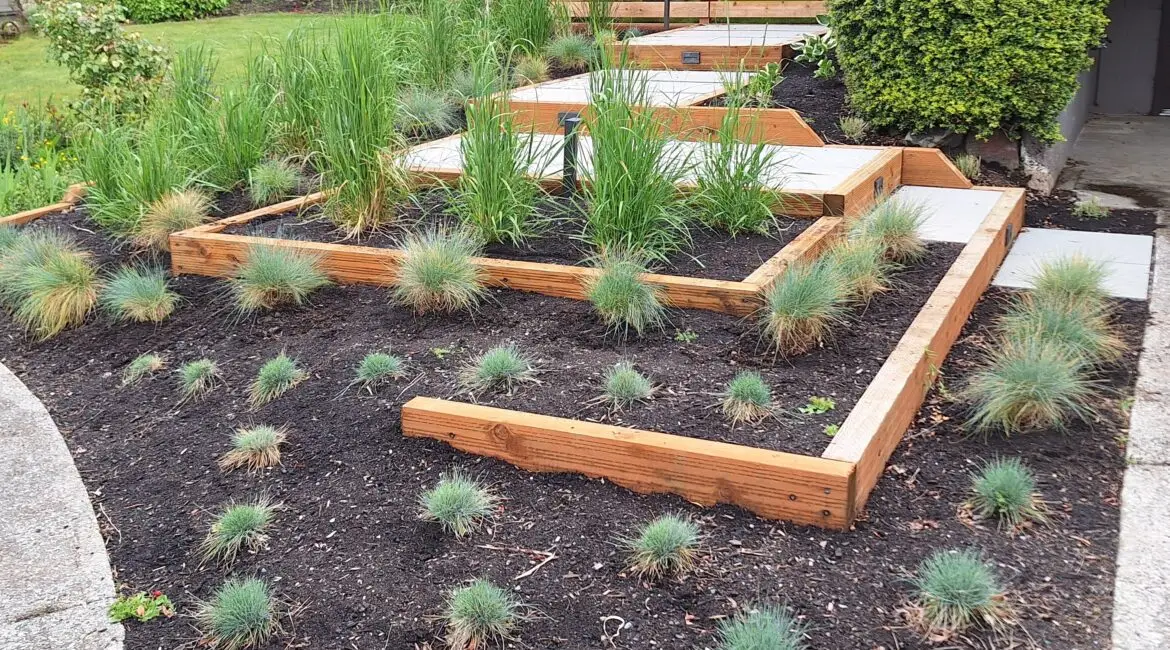
Mulching is one of the simplest and most effective ways to improve the health and appearance of your garden. For Seattle homeowners, it’s especially important due to the region’s wet winters and dry summer months. When done correctly, mulching helps regulate soil temperature, retain moisture, suppress weeds, and enrich the soil over time.
Why Mulching Matters in Seattle
Seattle’s climate presents unique challenges for gardeners. Heavy winter rains can compact soil and wash away nutrients, while dry summers can stress plants. Mulch acts as a protective layer that stabilizes these conditions. As a result, your plants experience more consistent moisture levels and healthier root development.
Mulch can also reduce weed growth by blocking sunlight from reaching weed seeds. This means less time spent weeding and more time enjoying your outdoor space. Over time, organic mulches break down and improve soil structure, which is essential for long-term garden health.
Types of Mulch to Consider
Choosing the right mulch depends on your garden’s needs and design goals. Organic mulches, such as bark, wood chips, and compost, are popular in Seattle landscapes. They not only look natural but also add nutrients to the soil as they decompose.
Bark mulch is a common choice for garden beds because it’s long-lasting and visually appealing. Compost works well in vegetable gardens, as it enriches the soil quickly. Meanwhile, arborist wood chips are an affordable and eco-friendly option for larger areas.
Inorganic mulches, like gravel or stone, are sometimes used in modern landscape designs in Seattle. However, they don’t improve soil health and may need maintenance to keep them tidy.
When and How to Apply Mulch
Timing is key when mulching your garden. In Seattle, early spring and fall are the best times to apply mulch. Spring mulching helps retain moisture as temperatures rise, while fall mulching protects soil during the rainy season.
Before applying mulch, clear weeds and debris from your garden beds. Then, spread a layer about two to three inches thick. Be careful not to pile mulch directly against plant stems or tree trunks, as this can lead to rot and pest issues.
Tips for Long-Term Success
To get the most out of mulching, refresh your mulch layer annually or as it begins to break down. Pairing mulch with proper irrigation ensures your plants receive consistent moisture throughout the growing season. With proper mulching techniques, Seattle homeowners can create healthier, more resilient gardens. By retaining moisture, improving soil, and reducing weeds, mulch provides long-lasting benefits that make garden maintenance easier and more effective year-round.