

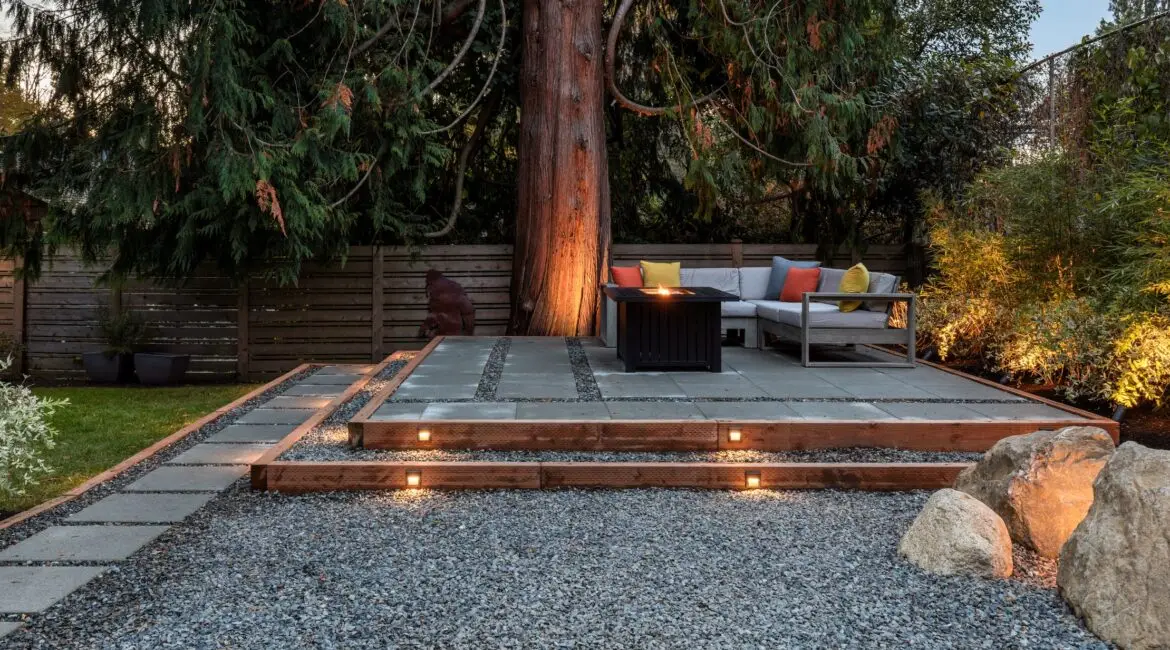
A beautiful garden isn’t defined only by colorful flowers. In the Pacific Northwest, where many plants go dormant during the winter months, structure is what gives a landscape lasting beauty. Strong structural elements provide shape, balance, and visual interest throughout the year, ensuring your yard looks intentional even when blooms have faded.
For Seattle homeowners, creating structure means combining plants, hardscape features, and thoughtful design principles that complement the region’s unique climate. Whether you’re designing a new landscape or updating an existing one, adding structure will improve both the appearance and functionality of your outdoor space.
Start with Evergreen Plants
Evergreens are the backbone of many Pacific Northwest gardens because they provide year-round color and form. They help define garden rooms, frame views, and create attractive focal points regardless of the season.
Popular choices for PNW landscapes include boxwood, yew, Japanese holly, western red cedar, and Oregon grape. Layering evergreen shrubs of different heights creates depth while maintaining visual interest during the rainy winter months. Adding ornamental grasses and evergreen ferns also introduces texture without overwhelming the landscape.
Use Hardscaping to Create Definition
Hardscape features provide permanent structure that plants alone cannot achieve. Patios, walkways, retaining walls, and stone borders help organize the landscape while making outdoor spaces easier to navigate and enjoy.
Concrete pavers and natural stone are excellent choices for Seattle because they perform well in the region’s wet climate. Retaining walls can define planting beds while managing sloped terrain, and decorative edging creates clean transitions between lawns and gardens.
These features also make maintenance easier by clearly separating planting areas from walkways and turf.
Create Layers and Focal Points
One of the most effective ways to add structure is through layered planting. Arrange plants in tiers, placing taller trees and shrubs in the background, medium-sized plants in the middle, and lower-growing perennials or groundcovers at the front.
This approach creates depth while ensuring every plant has room to shine.
Every garden should also have one or two focal points that naturally draw the eye. A specimen tree, weathering steel planter, water feature, sculpture, or decorative boulder can provide visual interest throughout the year.
Design for All Four Seasons
Many landscapes look spectacular in spring but lose their appeal during fall and winter. A well-designed Pacific Northwest garden considers how the space will look every month of the year.
Mix evergreen plants with deciduous shrubs that provide colorful bark, berries, or interesting branch structure. Incorporating plants with varying textures and foliage colors creates visual interest even when flowers are not blooming.
Landscape lighting also adds structure after dark by highlighting trees, pathways, and architectural features.
Balance Beauty with Function
Structure isn’t only about appearance—it also improves how a landscape functions. Defined pathways guide visitors through the garden, retaining walls help manage slopes, and evergreen screening creates privacy from neighboring homes.
Thoughtful grading and drainage ensure these elements perform well through Seattle’s rainy seasons while protecting your investment for years to come.
Adding structure to a Pacific Northwest garden creates a landscape that remains attractive, organized, and functional throughout the year. By combining evergreen plants, durable hardscaping, layered plantings, and carefully chosen focal points, Seattle homeowners can enjoy a yard that looks just as impressive in January as it does in July. With the right design, your garden will have lasting beauty that stands up to the changing seasons and the unique conditions of the Pacific Northwest.