


-

AI’s garden designed for year-round interest. Table of Contents
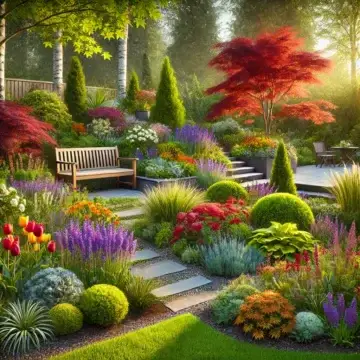
Creating a Balanced Seattle Landscape: Year-Round Interest Through Smart Plant Selection and Layout
Designing a landscape with year-round interest in Seattle requires a thoughtful approach to plant selection and layout, ensuring that your outdoor space remains vibrant and engaging no matter the season. The Pacific Northwest’s mild climate offers a unique opportunity to create a balanced garden that thrives throughout the year, but it also presents challenges, such as managing heavy rainfall and ensuring plants can handle occasional cold snaps. By carefully considering the characteristics of your plants and how they interact with one another, you can craft a landscape that feels alive and inviting, even during the grayest winter days.
A key element in achieving year-round interest is diversity. Incorporating a mix of evergreen and deciduous plants ensures that your garden maintains structure and color, even when some plants go dormant. Evergreens, such as boxwoods, hemlocks, or rhododendrons, provide a reliable backbone to your design, offering lush greenery that persists through the colder months. Pairing these with deciduous trees and shrubs, like Japanese maples or red-twig dogwoods, adds seasonal drama. For instance, the fiery red branches of a dogwood stand out beautifully against a backdrop of evergreens in winter, while the delicate leaves of a Japanese maple bring texture and color in spring and fall.
To create a truly balanced landscape, it’s important to think beyond just trees and shrubs. Perennials, grasses, and groundcovers play a vital role in adding layers of interest. Ornamental grasses, such as feather reed grass or blue fescue, sway gracefully in the wind and catch the light, adding movement and texture to your garden. Many perennials, like hellebores and heucheras, offer year-round foliage in addition to seasonal blooms, making them excellent choices for filling in gaps and softening hard edges. Groundcovers like creeping thyme or moss can also help tie your design together, creating a lush carpet that reduces maintenance while adding visual continuity.
Color is another essential consideration when designing for year-round appeal. While flowers are often the first thing that comes to mind, don’t overlook the importance of foliage, bark, and berries. Plants like coral bark maples or paperbark birches bring striking visual interest with their textured, colorful bark, especially in winter when leaves are absent. Similarly, shrubs like beautyberry or holly produce vibrant berries that provide pops of color and attract birds to your garden. By layering plants with varying hues and textures, you can create a dynamic landscape that feels rich and full, even when flowers are scarce.
In addition to plant selection, layout plays a crucial role in achieving balance. Grouping plants with similar water and sunlight needs not only simplifies maintenance but also ensures that each plant thrives in its chosen spot. Consider the natural flow of your space and how you want to experience it throughout the year. Placing focal points, such as a striking tree or a cluster of colorful perennials, near windows or along pathways allows you to enjoy their beauty even on rainy days when you’re indoors. Adding elements like boulders, sculptures, or water features can further enhance the sense of balance and provide interest during quieter seasons.
Finally, don’t forget to plan for seasonal transitions. By staggering bloom times and incorporating plants with overlapping periods of interest, you can ensure that your garden never feels empty. Spring bulbs like daffodils and tulips can give way to summer perennials, which in turn yield to the warm tones of autumn foliage. Winter, often considered the most challenging season for gardeners, can still shine with the right combination of evergreens, berries, and structural elements.
By embracing the unique characteristics of Seattle’s climate and thoughtfully combining plants with complementary features, you can create a landscape that feels harmonious and engaging all year long. With a little planning and creativity, your garden can become a space that not only reflects the changing seasons but also provides joy and inspiration no matter the time of year.
Seasonal Plant Installation Strategies to Enhance Your PNW Landscape Design
Designing a landscape with year-round interest in the Pacific Northwest (PNW) requires thoughtful planning and a keen understanding of seasonal plant behaviors. The region’s mild climate, abundant rainfall, and diverse ecosystems provide an excellent canvas for creating a garden that remains vibrant and engaging throughout the year. By strategically selecting and installing plants that shine in different seasons, you can ensure your outdoor space is always brimming with life and beauty, no matter the time of year.
To begin, it’s essential to consider the unique characteristics of each season and how they influence your landscape. Spring, for instance, is a time of renewal, making it the perfect season to showcase flowering bulbs like tulips, daffodils, and crocuses. These early bloomers bring a burst of color after the gray winter months and set the stage for the growing season ahead. Pairing them with flowering shrubs such as rhododendrons or azaleas, which thrive in the PNW’s acidic soils, can create a layered effect that adds depth and dimension to your garden. When installing these plants, consider grouping them in clusters for a more natural look, and ensure they’re placed in well-draining soil to prevent waterlogging during the rainy season.
As spring transitions into summer, the focus shifts to plants that can handle warmer temperatures and longer days. Perennials like lavender, echinacea, and black-eyed Susans are excellent choices for adding vibrant hues and attracting pollinators such as bees and butterflies. Ornamental grasses, like fountain grass or blue oat grass, can also add texture and movement to your landscape during this time. To keep your garden looking fresh, consider staggering your plantings so that different species bloom at different times, ensuring a continuous display of color. Additionally, incorporating drought-tolerant plants like sedums or yarrow can help your garden thrive during the occasional dry spells that occur in the PNW summer.
As summer fades into fall, the landscape takes on a more subdued yet equally captivating palette. This is the season to highlight plants with striking foliage, such as Japanese maples, which offer fiery reds and oranges, or shrubs like burning bush and sumac. Fall-blooming perennials like asters and chrysanthemums can extend the flowering season, while ornamental kale and cabbages add unique textures and colors to your garden beds. When installing these plants, think about how they’ll complement the existing elements in your landscape, such as evergreens or hardscaping features, to create a cohesive look.
Winter, often seen as a dormant period for gardens, can still offer plenty of visual interest with the right plant choices. Evergreen trees and shrubs, such as cedar, holly, and boxwood, provide structure and greenery when most other plants have gone dormant. Adding plants with interesting bark, like paperbark maple or birch, can create focal points that stand out against a backdrop of snow or frost. Winter-blooming plants like hellebores and witch hazel can also bring unexpected bursts of color to your garden during the colder months. When installing these plants, consider their placement carefully to ensure they’re visible from indoor spaces, allowing you to enjoy their beauty even on chilly days.
By thoughtfully selecting and installing plants that thrive in each season, you can create a PNW landscape that offers year-round interest. The key is to embrace the natural rhythms of the seasons and use them to your advantage, ensuring that your garden remains a dynamic and ever-changing space. With careful planning and a bit of creativity, your landscape can become a source of joy and inspiration no matter the time of year.
Seattle Design Tips for Year-Round Landscape Interest: Choosing the Right Plants for PNW Landscaping
Designing a landscape with year-round interest in the Pacific Northwest (PNW) requires a thoughtful approach to plant selection and placement. The region’s mild climate, abundant rainfall, and occasional frosty winters create a unique environment that supports a wide variety of plants. However, to ensure your outdoor space remains vibrant and engaging throughout the year, it’s essential to choose plants that not only thrive in the PNW but also offer visual appeal in every season. By combining evergreens, deciduous trees, perennials, and seasonal accents, you can create a dynamic landscape that evolves beautifully as the months go by.
One of the most effective ways to achieve year-round interest is by incorporating evergreen plants into your design. These reliable staples provide structure and greenery even during the grayest winter days. Consider using shrubs like rhododendrons, which not only retain their lush foliage year-round but also produce stunning blooms in spring. Similarly, evergreen trees such as western red cedar or dwarf varieties of spruce can serve as focal points or privacy screens while maintaining their visual appeal regardless of the season. For ground cover, plants like kinnickinnick or evergreen ferns can add texture and fill in bare spots, ensuring your garden never feels empty.
While evergreens provide consistency, deciduous trees and shrubs bring seasonal drama to your landscape. In the PNW, Japanese maples are a popular choice due to their delicate leaves and vibrant fall colors. Their graceful branching structure also adds interest in winter, especially when dusted with frost. Another excellent option is the red twig dogwood, which offers multi-season appeal. Its green foliage and white flowers in spring give way to striking red stems in winter, creating a bold contrast against the muted tones of the colder months. By strategically placing these plants, you can create focal points that draw the eye and keep your garden visually engaging.
Perennials are another key component of a year-round landscape, as they provide bursts of color and texture during their active growing seasons. In the PNW, hardy perennials like hellebores, sedums, and echinacea thrive in the region’s climate. Hellebores, often called “winter roses,” bloom in late winter or early spring, offering a welcome splash of color when most other plants are still dormant. Sedums, on the other hand, are low-maintenance and provide interest well into fall with their fleshy leaves and late-season blooms. By layering perennials with varying bloom times, you can ensure that something is always flowering in your garden.
To tie everything together, don’t forget to include seasonal accents such as bulbs and annuals. Spring bulbs like daffodils and tulips can be planted in clusters for a cheerful display, while summer annuals like petunias or marigolds can fill in gaps and add vibrant pops of color. In fall, ornamental grasses like miscanthus or fountain grass bring movement and texture, their feathery plumes catching the light beautifully. Even in winter, you can add interest with decorative elements like moss-covered stones, sculptural branches, or containers filled with hardy plants like pansies or evergreen boughs.
By thoughtfully combining these elements, you can create a landscape that feels alive and inviting no matter the time of year. The key is to balance consistency with seasonal variety, ensuring that your garden has both reliable anchors and moments of surprise. With the right plant choices and a little planning, your PNW landscape can become a year-round haven that reflects the beauty of each season while remaining uniquely your own.
Q&A
1. What are key elements to include in a landscape for year-round interest?
Key elements include evergreen plants, seasonal flowering plants, trees with interesting bark or structure, ornamental grasses, and hardscape features like pathways, sculptures, or water features.
2. How can color be incorporated throughout the year in a landscape?
Use a mix of plants with staggered bloom times, foliage that changes color in different seasons, and evergreens for consistent greenery. Add colorful mulch, pots, or garden art for additional vibrancy.
3. What role do perennials and shrubs play in year-round landscaping?
Perennials provide seasonal blooms and textures, while shrubs offer structure, foliage variety, and can feature berries or flowers in different seasons. Both contribute to visual interest throughout the year.
Conclusion
Designing a landscape with year-round interest requires careful planning and thoughtful selection of plants, structures, and features that provide visual appeal in every season. By incorporating a mix of evergreen and deciduous plants, seasonal flowers, varying textures, and hardscape elements, you can create a dynamic and engaging outdoor space. Attention to color, form, and seasonal transitions ensures that the landscape remains vibrant and inviting throughout the year, offering beauty, functionality, and enjoyment in all seasons.