

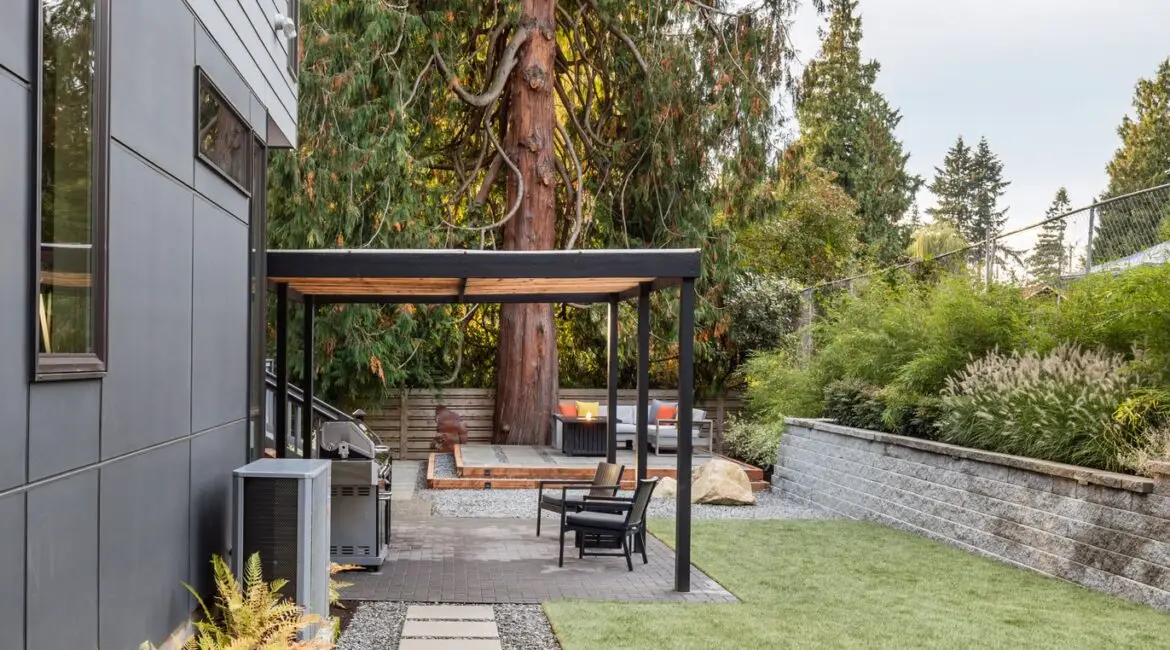
Many Seattle homeowners face the challenge of designing outdoor spaces on narrow urban lots. Whether you live in Ballard, Green Lake, Capitol Hill, or another dense neighborhood, limited yard width can make landscaping feel restrictive. However, with thoughtful planning and smart design strategies, even the narrowest property can become a functional and visually impressive outdoor space.
The key is maximizing usability without making the yard feel crowded. By focusing on layout, vertical elements, and strategic plant selection, Seattle homeowners can create landscapes that feel larger, more inviting, and easier to maintain.
Create Defined Outdoor Zones
One of the best ways to improve a narrow landscape is by dividing it into purposeful zones. Rather than treating the yard as one long corridor, break the space into smaller functional areas. For example, you might include a dining patio near the home, a planting area along the side yard, and a small seating nook toward the back.
This layered approach creates visual separation and makes the yard feel more dynamic. Additionally, transitions between zones naturally encourage movement through the landscape, making the space feel larger than it actually is.
Use Vertical Design Elements
When horizontal space is limited, vertical design becomes essential. Trellises, privacy screens, green walls, and tall planters add dimension without consuming valuable square footage. Climbing plants such as clematis, jasmine, or evergreen vines work especially well in Seattle’s mild climate.
Vertical cedar slat fencing is another popular feature for narrow Seattle lots because it adds privacy while drawing the eye upward. As a result, the yard feels taller and more open rather than boxed in.
Choose Space-Saving Hardscape Features
Oversized patios can overwhelm narrow yards. Instead, consider compact hardscape layouts with clean lines and multi-functional elements. Built-in seating, for example, reduces furniture clutter while maximizing usable space.
Permeable pavers are an excellent choice for Seattle landscapes because they improve drainage while maintaining a sleek appearance. Additionally, lighter-colored paving materials can visually widen the space by reflecting more natural light.
Select Plants Carefully
Plant selection plays a major role in how spacious a narrow yard feels. Large shrubs and wide-spreading plants can quickly overcrowd small spaces. Instead, choose upright or columnar varieties that provide height without excessive width.
Ornamental grasses, Japanese maples, evergreen shrubs, and layered perennials all perform well in Seattle landscapes while maintaining a balanced scale. Repeating similar plant varieties throughout the yard also creates a cleaner, more cohesive design.
Prioritize Privacy Without Closing the Space
Privacy is often a concern on narrow urban lots where neighboring homes are close together. However, solid barriers can sometimes make a yard feel even tighter. Instead, combine softer screening elements such as hedges, ornamental trees, and slatted fencing to create separation while preserving openness.
Outdoor lighting can also dramatically improve usability and atmosphere. Path lighting and uplighting help narrow spaces feel warm and intentional during Seattle’s darker months.
Designing a landscape for a narrow Seattle lot requires creativity and careful planning, but limited space does not mean limited potential. With smart layouts, vertical design features, and climate-appropriate plantings, homeowners can create beautiful outdoor spaces that feel functional, spacious, and uniquely tailored to urban living in the Pacific Northwest. At True Scape Design, we love converting small areas into enjoyable outdoor spaces.